The Beginner’s Guide to the World’s Biggest Financial Playground
Have you ever traveled to another country and had to exchange your money for the local currency? Maybe you traded your U.S. dollars for euros or pounds at the airport. If so, congratulations — you’ve already participated in the foreign exchange market, also known as Forex or FX!
Now imagine that same process happening on a massive global scale — 24 hours a day, five days a week, with trillions of dollars changing hands every single day. That’s the Forex market — the heartbeat of the global economy and the largest financial market in the world.
💱 So, What Exactly Is the Forex Market?
The Forex market is where currencies are bought and sold. It’s a global network of banks, financial institutions, corporations, and individual traders who trade one currency for another.
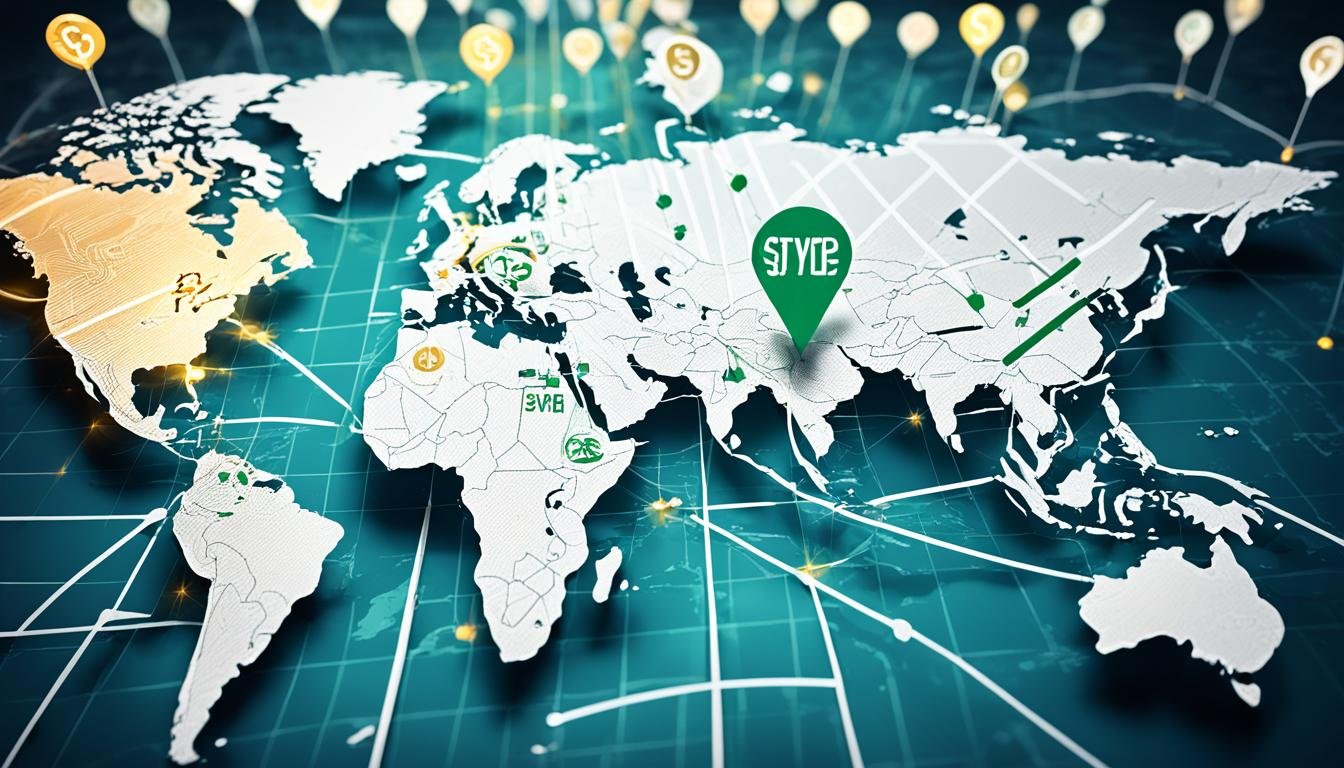
Unlike the stock market, which has physical exchanges like the New York Stock Exchange, Forex has no central location. It’s completely decentralized — trading happens electronically, over the counter (OTC), across major financial hubs like London, New York, Tokyo, and Sydney.
Because the world’s economies never sleep, Forex trading happens 24 hours a day from Monday to Friday. When one market closes, another one opens — creating a continuous cycle of activity.
💵 Currency Pairs — The Building Blocks of Forex
In Forex, currencies are always traded in pairs — one is bought while the other is sold.
For example:
- EUR/USD = 1.1000
This means 1 Euro is worth 1.10 U.S. dollars.
Here:
- EUR (Euro) is the base currency — the one you’re buying.
- USD (U.S. Dollar) is the quote currency — the one you’re selling.
If you believe the euro will strengthen against the dollar, you buy EUR/USD.
If you think the euro will weaken, you sell EUR/USD.
Simple, right?
🌎 Who Trades in the Forex Market?
It’s not just individual traders sitting behind screens. The Forex market has a wide range of participants, each with different goals:
- Central Banks: They manage national currencies and stabilize economies.
- Commercial Banks: They execute large transactions for corporations and clients.
- Corporations: They exchange currencies for international business operations.
- Hedge Funds and Investors: They trade to profit from currency movements.
- Retail Traders (like you and me): They use online platforms to speculate on price changes.
The beauty of Forex is that anyone can participate — you don’t need to be a millionaire banker to get started. All you need is an internet connection, a trading account, and the curiosity to learn.
⏰ The Market That Never Sleeps
The Forex market operates across four major trading sessions:
- Sydney Session
- Tokyo Session
- London Session
- New York Session
Because these sessions overlap, you can trade almost any time of day. The London–New York overlap (around 8 AM to 12 PM EST) is especially active — that’s when major price movements often happen.
So whether you’re an early bird or a night owl, Forex has a time slot that fits your schedule.
📈 Why Do People Trade Forex?
There are a few reasons why Forex attracts millions of traders worldwide:
- High Liquidity: It’s easy to enter or exit trades because of the huge trading volume.
- Leverage: Brokers allow you to control large positions with a small amount of money (though this also increases risk).
- Accessibility: You can trade from anywhere, anytime.
- Profit Opportunities: Because currencies constantly rise and fall, there’s always a chance to profit — in both up and down markets.
But remember: where there’s opportunity, there’s risk. Prices can move quickly, and leverage can amplify both gains and losses. That’s why education and discipline are key.
🧭 Why the Forex Market Matters
The Forex market doesn’t just serve traders — it powers global trade and investment. Every time a business imports goods, a tourist travels abroad, or a central bank adjusts policy, the Forex market plays a role.
It connects economies, influences prices, and reflects the world’s financial heartbeat in real time.
✨ Final Thoughts
The Forex market is a fascinating place — fast-paced, global, and full of opportunities for those who take the time to understand it.
At its core, Forex trading is about buying one currency and selling another, but behind that simple idea lies an entire world of economics, strategy, and psychology.
If you’re just starting out, think of Forex as a journey — not a get-rich-quick scheme. Learn the basics, practice on a demo account, and focus on understanding why the market moves the way it does.
Before long, those confusing charts and numbers will start to tell you a story — the story of the world’s money in motion.