Have you ever wondered why the forex market seems to behave differently at certain times of the year?
Why do some months bring strong trends while others feel slow and unpredictable?
That’s not just your imagination — it’s seasonality at work.
Just like weather patterns repeat each year, the forex market also experiences seasonal trends influenced by global trade flows, economic cycles, and investor behavior.
Understanding these patterns can give you an extra edge — helping you spot opportunities that many traders overlook.
Let’s dive in and uncover how seasonal patterns impact forex trading and how you can use them to trade smarter.
💡 1. What Are Seasonal Patterns in Forex?
Seasonal patterns in forex refer to recurring trends or behaviors that happen around the same time every year.
These patterns often arise from predictable economic activities such as:
- Tax seasons
- Agricultural cycles
- Holidays and year-end financial reports
- Central bank schedules
- Global trade and tourism patterns
While these trends don’t guarantee profits, they can give you clues about when markets might move strongly — or slow down.
Think of it like having a calendar-based “map” of forex behavior.
📆 2. Why Does Seasonality Exist in the Forex Market?
Unlike stock markets, which close at the end of each trading day, the forex market operates 24/5 — continuously reacting to global events.
However, human behavior and economic cycles still follow predictable yearly patterns.
Here’s why seasonality exists in forex:
💰 a. Business and Trade Cycles
Companies across the world make regular international payments for imports, exports, and contracts. These flows create consistent demand and supply for certain currencies at specific times.
🌍 b. Fiscal and Tax Years
Many countries end their fiscal year in March, June, or December.
During these periods, corporations and governments adjust their balance sheets, repatriate profits, and settle international debts — affecting currency values.
🏖️ c. Holiday Seasons
Trading volume typically dips during major holidays like Christmas, New Year, and the summer months (July–August), leading to low liquidity and higher volatility.
🏦 d. Central Bank Activity
Central banks often follow set schedules for interest rate meetings, policy reports, and announcements. These create regular waves of volatility throughout the year.
📊 3. Common Seasonal Trends in Major Currency Pairs
While every year is different, certain patterns have repeated often enough to catch traders’ attention.
Here are a few notable examples:
🇺🇸 USD (U.S. Dollar)
- The U.S. dollar tends to strengthen toward year-end (November–December) as global businesses repatriate funds for annual reports and U.S. investors bring profits home.
- However, it often weakens during Q1 (January–March) as risk appetite returns and investors shift toward higher-yield assets.
🇪🇺 EUR (Euro)
- The euro often performs well during spring (April–June) when European exports increase and economic activity picks up.
- It sometimes weakens in late summer, when European markets slow down for holidays.
🇯🇵 JPY (Japanese Yen)
- The yen often strengthens around March, as Japanese companies repatriate profits before the end of their fiscal year.
- It can also strengthen during times of global uncertainty, regardless of the season, due to its status as a “safe haven” currency.
🇬🇧 GBP (British Pound)
- The British pound tends to experience volatility during April, driven by the U.K.’s fiscal year-end and adjustments in investment flows.
- In summer months, trading volume often dips, leading to choppier price action.
🇦🇺 AUD & NZD (Australian & New Zealand Dollars)
- Both currencies often strengthen in Q1 and Q2 (January–June), benefiting from increased commodity demand and global risk appetite.
- However, they may weaken toward year-end when investors move back to safer assets.
⏰ 4. The Impact of the Trading Calendar
Each quarter in the trading year tends to have its own “mood”:
| Quarter | Market Behavior | Common Traits |
|---|---|---|
| Q1 (Jan–Mar) | High volatility after holidays | New money enters markets, risk appetite grows |
| Q2 (Apr–Jun) | Trend-building period | Strong movements in majors, especially EUR and GBP |
| Q3 (Jul–Sep) | Slow, choppy trading | Summer holidays, reduced volume |
| Q4 (Oct–Dec) | Year-end volatility | Profit-taking, fund repatriation, tax adjustments |
Understanding these broad cycles can help you adjust your strategies throughout the year — just like sailors adjust sails based on the season’s winds.
📈 5. How to Use Seasonal Trends in Your Forex Strategy
Knowing about seasonal tendencies is helpful, but using them effectively requires a plan.
Here’s how you can integrate seasonality into your trading:
✅ a. Combine Seasonality with Technical Analysis
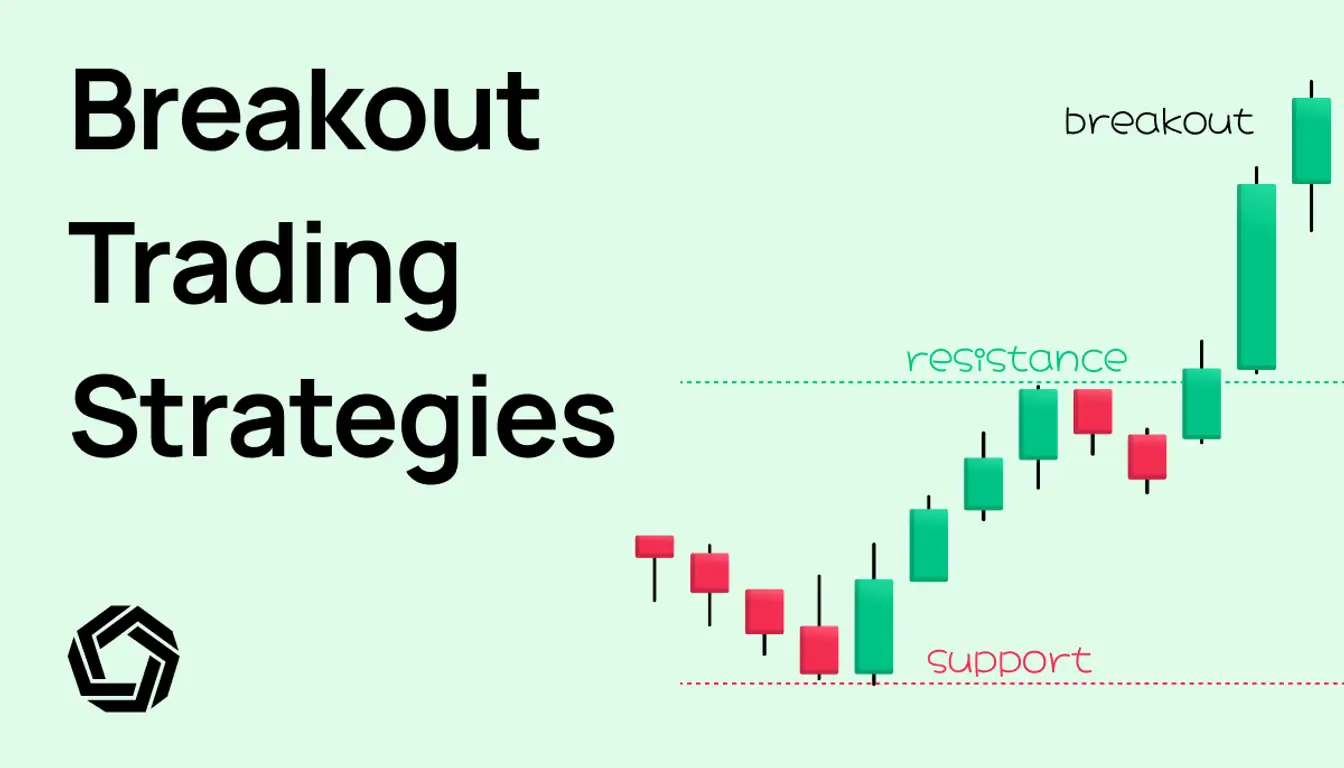
Seasonal patterns can guide your expectations, but your entries should still be based on technical setups — like trendlines, breakouts, or support/resistance levels.
🧭 b. Watch Economic Calendars
Keep track of recurring annual events like central bank meetings, fiscal year-ends, and key global reports (such as U.S. NFP, inflation data, etc.).
📊 c. Track Historical Data
Look at how your favorite pairs behaved during specific months over the last few years. You’ll often notice repeating cycles.
⚖️ d. Adjust Position Size During Low Liquidity
In quieter seasons (like late December or mid-August), reduce your trade size or widen stop-loss levels — spreads can widen, and prices may move erratically.
💬 e. Stay Flexible
Seasonal patterns are guides, not guarantees. Global events (like pandemics or political crises) can override seasonal behavior. Always stay adaptable.
⚠️ 6. The Limitations of Seasonal Analysis
While seasonality can offer valuable insights, it’s not a magic formula.
Here are some things to keep in mind:
- Unpredictable events (like war, pandemics, or natural disasters) can disrupt seasonal patterns.
- Interest rate changes or shifts in central bank policy can break historical trends.
- Market evolution: Globalization and algorithmic trading have made markets more complex, reducing some traditional seasonal effects.
In short: treat seasonality as one piece of the puzzle — not the whole picture.
🧠 7. Pro Tips to Master Forex Seasonality
- Use long-term charts (weekly or monthly) to spot repeated price behaviors.
- Create a “seasonal trading calendar” — mark months where certain pairs historically trend strongly.
- Pair seasonality with sentiment analysis — are traders optimistic or fearful this time of year?
- Stay disciplined — don’t force trades just because a pattern “should” appear. Always wait for confirmation.
✅ Final Thoughts: Timing Is a Trader’s Hidden Edge
In forex trading, timing is everything — and understanding seasonal trends can give you that subtle, time-based advantage.
By learning how currencies behave throughout the year, you can anticipate opportunities before others see them.
But remember: seasonal patterns are like road signs — they point you in the right direction, but you still have to steer the car.
So, take note of the calendar, plan ahead, and let the rhythm of the forex market work in your favor.
“Smart traders don’t just follow the market — they follow its seasons.”
Trade wisely, stay patient, and let time become your trading ally.