In the fast-paced world of Forex trading, opportunities often come when prices break key levels of support or resistance. These moments, known as breakouts, can signal the start of a strong trend—and for traders who spot them early, they can be highly profitable.
If you’ve ever wondered how to catch big moves in Forex without constantly predicting market tops and bottoms, breakout trading is your ticket.
What is a Forex Breakout?
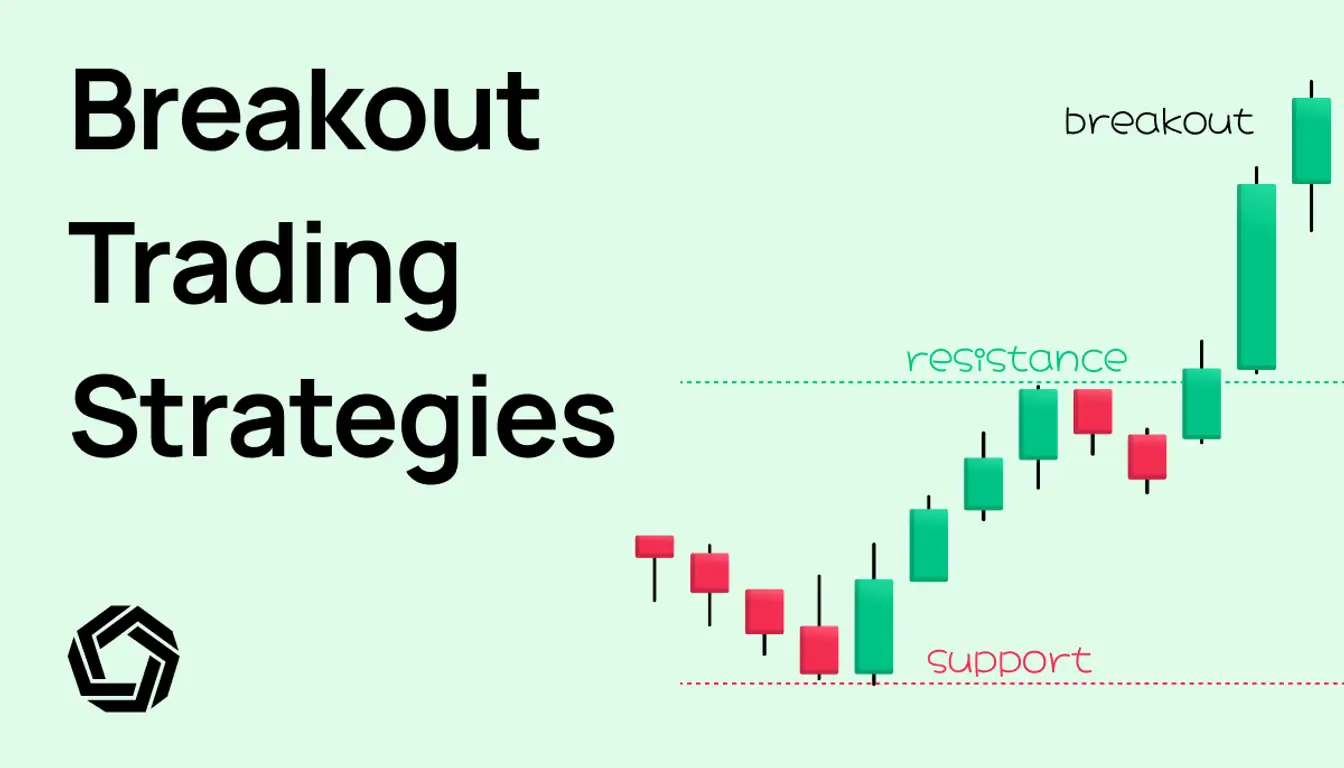
A breakout occurs when the price moves above a resistance level or below a support level with significant momentum.
- Resistance: A price level where selling pressure prevents the price from rising further.
- Support: A price level where buying pressure prevents the price from falling further.
When these barriers are broken, it often signals a new trend and a chance to ride the wave.
Example: If EUR/USD has repeatedly bounced off 1.1000 but suddenly closes above it with strong volume, a breakout has occurred.
Why Breakout Trading Works
Breakout trading works because the Forex market often consolidates before a big move. Traders who identify and act on these moves early can benefit from:
- Momentum: Breakouts usually trigger rapid price movement.
- Clear Entry Points: Support and resistance levels provide easy-to-identify entry zones.
- Potential for Big Gains: Riding the breakout trend can lead to significant profits.
Caution: False breakouts can occur, so risk management is crucial.
Types of Forex Breakouts
There are several types of breakouts traders should know:
1. Range Breakouts
When a currency pair has been trading sideways between support and resistance, a breakout occurs when the price moves decisively outside this range.
How to trade:
- Identify the support and resistance levels.
- Enter a buy position if the price breaks resistance or a sell position if it breaks support.
- Confirm with volume or trend indicators for reliability.
2. Trendline Breakouts
Trendlines connect highs or lows in the market, indicating a trend. A breakout happens when the price crosses and closes beyond a trendline, suggesting a potential trend reversal or acceleration.
How to trade:
- Draw a trendline along at least two consecutive highs (downtrend) or lows (uptrend).
- Enter trades when the price breaks and closes beyond the trendline.
- Use stop-loss orders below/above the breakout for protection.
3. Chart Pattern Breakouts
Breakouts also happen from chart patterns like triangles, flags, and wedges.
- Triangle Breakout: Price squeezes into a triangle; a breakout occurs when price exits the triangle.
- Flag Breakout: A short-term consolidation in the opposite direction of a trend; a breakout continues the trend.
- Wedge Breakout: Can signal trend reversals; breakout direction depends on wedge type.
Tip: Combine with indicators like RSI or MACD for extra confirmation.
Steps to Trade Forex Breakouts Successfully
- Identify Key Levels: Look for clear support, resistance, trendlines, or chart patterns.
- Wait for Confirmation: Don’t jump in immediately; ensure the breakout is genuine (strong close, volume increase).
- Set Entry and Stop-Loss: Place stop-loss just outside the breakout point to reduce risk.
- Manage Your Trade: Use trailing stops or partial profit-taking to lock in gains.
- Avoid Choppy Markets: Breakouts work best in trending or volatile markets, not sideways ones.
Common Mistakes Beginners Make
- Chasing False Breakouts: Entering too early without confirmation.
- Ignoring Risk Management: Not using stop-losses can lead to big losses.
- Trading Every Breakout: Only take high-probability setups with clear patterns.
- Neglecting Market Context: News events can cause unpredictable breakouts; always check economic calendars.
Tips for Beginners
- Use higher timeframes (1-hour, 4-hour, daily) to spot stronger breakouts.
- Combine breakout strategies with trend indicators like moving averages or MACD.
- Start with a demo account to practice spotting breakouts without risking real money.
- Always follow a risk-to-reward ratio of at least 1:2 for profitable trading.
Final Thoughts
Breakout trading is a powerful strategy for capturing big moves in Forex. By identifying key levels, waiting for confirmation, and managing your risk carefully, even beginners can profit from these market moments.
Remember: not every breakout leads to a trend, so patience and discipline are your best allies. With practice, you can turn breakout trading into a consistent and exciting part of your Forex journey.