Trading in financial markets—whether it’s forex, stocks, or commodities—can be exciting and rewarding. But without proper planning, it can also be risky and stressful. Two of the most powerful tools traders have to protect their capital and lock in profits are stop losses and take profits. Understanding these tools can turn an ordinary trader into a disciplined, confident, and successful one.
Let’s explore why stop losses and take profits are essential, and how you can use them effectively.
1. What Are Stop Losses and Take Profits?
Before diving into their importance, let’s define them:
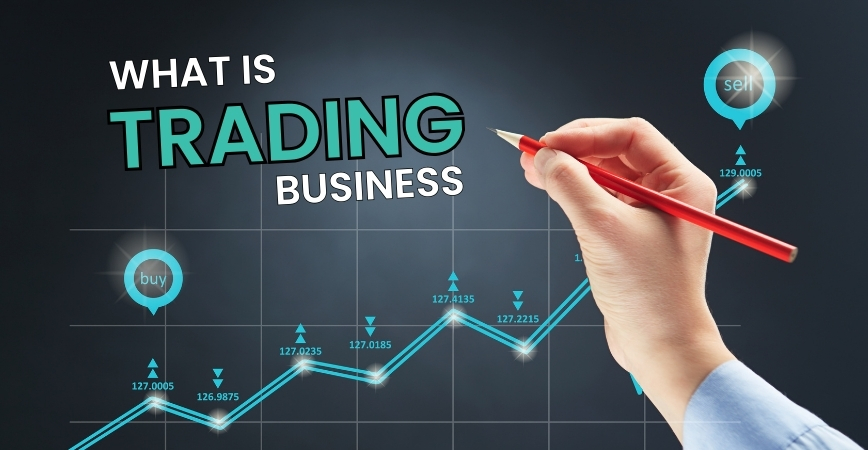
- Stop Loss (SL): An order placed to automatically exit a trade if the market moves against you by a specified amount. It’s designed to limit your losses.
- Take Profit (TP): An order placed to automatically close a trade when it reaches a specified profit level. It’s designed to lock in your gains.
Think of stop losses and take profits as your safety net and your goalpost. They help you trade without letting emotions run the show.
2. The Importance of Stop Losses
a) Protect Your Capital
The most obvious reason for using stop losses is to prevent large losses. Every trader faces losing trades—but the key is to keep losses small and manageable.
Example:
If you buy EUR/USD at 1.1500 and set a stop loss at 1.1450, your maximum loss is 50 pips. Without it, a sudden market move could wipe out hundreds of pips.
b) Reduce Emotional Trading
Without a stop loss, traders often make impulsive decisions driven by fear or hope. A stop loss removes the guesswork and takes emotions out of the equation.
c) Allow You to Trade Consistently
Stop losses give you a clear framework. Even if a trade goes against you, you know exactly how much you’re risking, helping you trade with confidence and discipline.
3. The Importance of Take Profits
a) Lock in Gains
Markets are unpredictable. Even winning trades can turn into losing ones if you don’t set a take profit. A TP ensures that your gains are secured before the market reverses.
Example:
If you target 100 pips on a trade but the market suddenly drops after reaching 90 pips, having a take profit order at 90 ensures you don’t give back your hard-earned profits.
b) Maintain Trading Discipline
Take profits help you stick to a plan. They prevent the common mistake of greedily holding trades too long, which often leads to giving back profits or even taking losses.
c) Improve Risk-to-Reward Ratio
A good take profit strategy helps you maintain a favorable risk-to-reward ratio, a key factor in long-term profitability. For example, risking 50 pips to make 150 pips gives a ratio of 1:3, which is a healthy trading approach.
4. Tips for Using Stop Losses and Take Profits Effectively
- Set them before entering a trade: Don’t wait until the trade is moving in your favor. Decide your SL and TP first.
- Use technical levels: Place SL below support/resistance levels or recent lows/highs, and TP at logical targets based on charts.
- Adjust for market volatility: In highly volatile markets, give trades a bit more room to breathe, but don’t overextend.
- Stick to your plan: Avoid moving stop losses or take profits out of fear or greed. Discipline is key.
- Combine with risk management: Limit your trade risk to 1–2% of your account, and let SL and TP orders enforce it automatically.
5. Common Mistakes to Avoid
- No Stop Loss: Leaving trades unprotected can lead to catastrophic losses.
- Too Tight Stop Loss: Setting a stop loss too close can result in being stopped out by normal market fluctuations.
- No Take Profit: Failing to lock in profits can turn winning trades into break-even or losing trades.
- Chasing the Market: Moving stop losses further away or changing take profits impulsively can destroy your trading plan.
6. Conclusion
Stop losses and take profits aren’t just optional tools—they’re essential weapons in a trader’s arsenal. They protect your capital, remove emotions from trading, lock in profits, and help maintain a disciplined approach.
Remember this simple rule: “Trade with a plan, not with hope.” Every trade should have a stop loss to protect you and a take profit to reward you. Treat them as your safety net and target—they are the difference between emotional gambling and strategic trading.
Master these tools, and you’ll find trading becomes not only safer but more enjoyable.