The EUR/GBP pair trades slightly lower for the fourth straight session, hovering around 0.8790 during Monday’s European trading hours. While the cross remains subdued, the downside appears limited as investors weigh diverging policy signals from the European Central Bank (ECB) and the Bank of England (BoE).
Euro Supported by Cautious ECB Stance
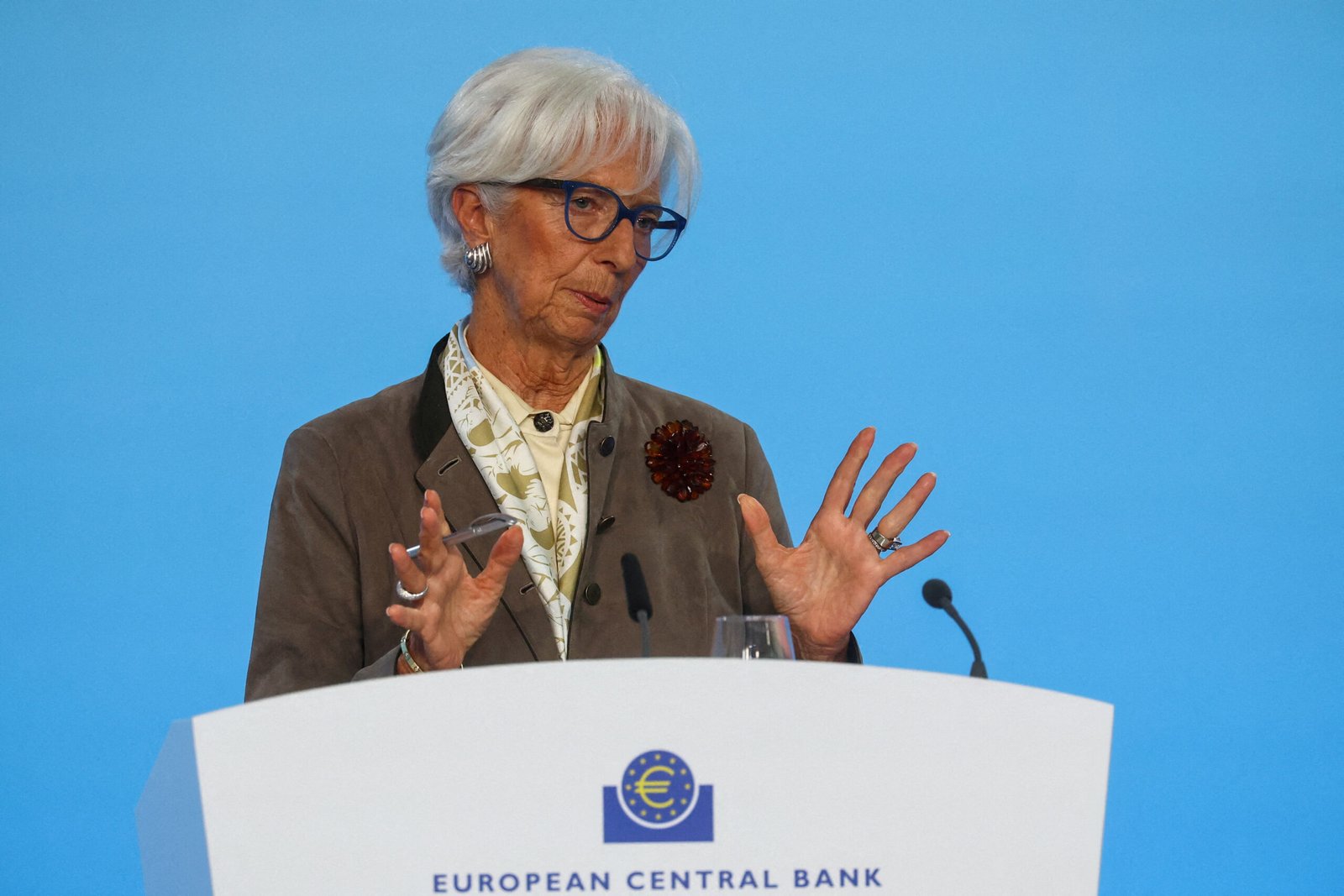
The Euro (EUR) is finding some stability as the ECB maintains a cautious approach to policy changes. Money markets now see just a 45% probability of an ECB rate cut by September 2026, down sharply from over 80% in October — reflecting growing confidence that rates may remain steady for an extended period.
ECB Vice President Luis de Guindos reaffirmed on Monday that there is “no need to adjust current interest rates unless inflation dynamics or economic projections change.” He noted that both services prices and wages are evolving favorably, inflation is moving closer to the 2% target, and although growth is modest, it remains positive.
Other policymakers echoed similar views — Francois Villeroy de Galhau emphasized the need for flexibility in policy decisions, while Joachim Nagel urged vigilance on inflation risks. De Guindos also added that any dip in inflation below 2% would likely be temporary, reinforcing the ECB’s cautious tone.
Pound Weakens on Rising BoE Rate Cut Expectations
Meanwhile, the Pound Sterling (GBP) is facing mild pressure as markets increasingly expect the BoE to deliver a rate cut in December. Governor Andrew Bailey recently signaled that policy easing could begin soon, with economists now anticipating a potential pre-Christmas rate reduction.
However, the central bank continues to stress that the timing and pace of future cuts will depend on how inflation evolves in the coming months.
Outlook
The divergence between a cautious ECB and a more dovish BoE may limit further losses for the EUR/GBP pair in the near term. A sustained move above 0.8800 could open the door for additional gains if the Euro continues to benefit from a steady policy stance and the Pound remains pressured by easing expectations.
Interest Rates – Key Insights
- Definition: Interest rates represent the cost of borrowing money or the return earned on savings, typically guided by central bank base rates.
- Impact on Currencies: Higher interest rates attract foreign investment, generally strengthening a currency, while lower rates tend to weaken it.
- Effect on Gold: Rising rates increase the opportunity cost of holding non-yielding assets like gold, often weighing on gold prices and strengthening the US Dollar.
- Fed Funds Rate: The benchmark overnight lending rate in the US, set by the Federal Reserve, is a key driver of global financial market sentiment and currency movements.
In summary:
The EUR/GBP pair remains rangebound below 0.8800, but the downside bias appears limited. A steady ECB stance contrasts with growing expectations of a BoE rate cut, creating a policy divergence that could lend support to the Euro in the sessions ahead.