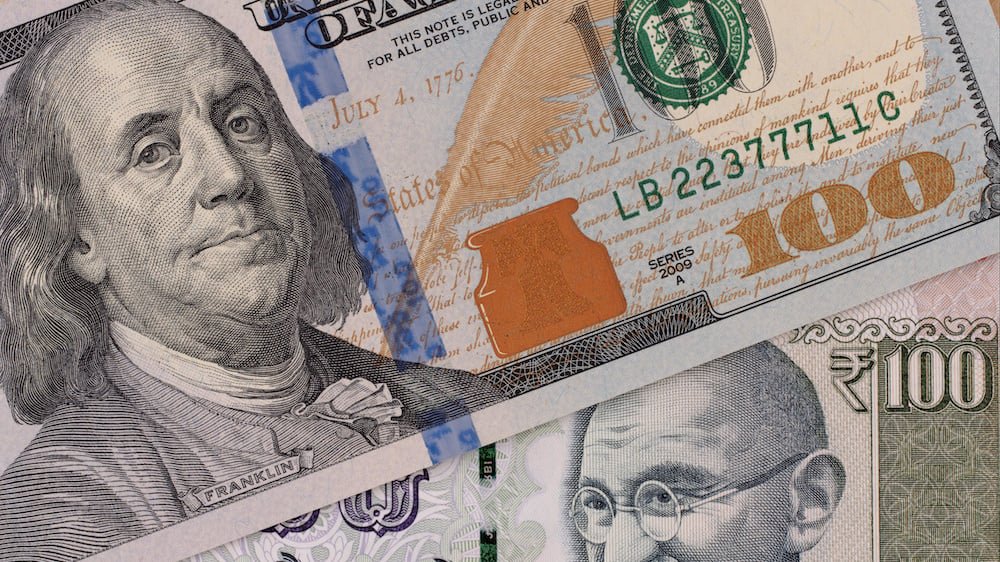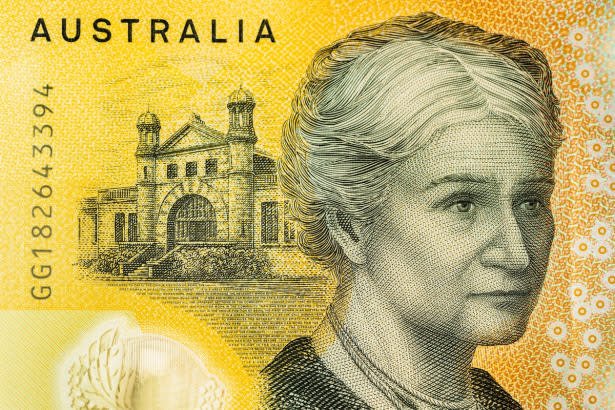
The Australian Dollar (AUD) reversed early gains against the US Dollar (USD) on Thursday, with AUD/USD easing toward 0.6570 during the European session. The pair weakened as the Greenback recovered from its initial losses following the meeting between US President Donald Trump and Chinese President Xi Jinping in South Korea.
At the time of writing, the US Dollar Index (DXY) — which measures the USD against a basket of major peers — was trading nearly flat around 99.20.
US–China Trade Progress Lifts USD Demand
Market sentiment improved after President Trump described his meeting with President Xi as “amazing,” announcing that tariffs on Chinese imports would be reduced to 47% from 57%. Trump also confirmed that China will resume exports of rare earth elements to the US “openly and freely.”
These developments signaled progress in bilateral trade relations, helping restore confidence in the US Dollar and boosting risk sentiment across global markets.
Fed’s Powell Pushes Back Against December Rate Cut
The USD also drew support from comments by Federal Reserve Chair Jerome Powell, who pushed back against expectations for another interest rate cut in December. Powell highlighted that further easing is “not guaranteed,” citing mixed signals from inflation and labor market data.
His remarks prompted a modest rebound in the Greenback, weighing on risk-sensitive currencies such as the Aussie.
Australia’s CPI Data Limits RBA Cut Expectations
Domestically, the Australian Dollar remains underpinned by data showing that inflationary pressures are accelerating. The Consumer Price Index (CPI) rose 1.3% quarter-on-quarter in Q3, outpacing both market expectations of 1.1% and the previous reading of 0.7%.
The stronger CPI print has led investors to scale back bets on further rate cuts by the Reserve Bank of Australia (RBA) this year, reinforcing support for the local currency despite global headwinds.
Outlook
While improving US–China relations typically favor the trade-linked Australian Dollar, the Greenback’s rebound and hawkish Fed commentary have limited upside momentum for AUD/USD. Traders now look ahead to upcoming US macro data and RBA commentary for fresh direction.
At current levels, the pair remains range-bound between 0.6540 and 0.6620, with broader sentiment likely to dictate the next move.
US Dollar FAQs
What is the US Dollar (USD)?
The US Dollar is the world’s most traded and widely held currency, accounting for nearly 88% of global FX turnover — about $6.6 trillion per day (2022 data). It serves as the primary reserve currency and is used globally for trade and investment.
How does the Federal Reserve impact the USD?
The Fed shapes USD value through monetary policy decisions. Higher interest rates typically strengthen the Dollar by attracting foreign capital, while lower rates or quantitative easing (QE) tend to weaken it.
What is Quantitative Easing (QE)?
QE is a non-conventional policy where the Fed injects liquidity by purchasing government bonds, increasing money supply to stimulate lending and growth — often leading to a weaker USD.
What is Quantitative Tightening (QT)?
QT is the opposite process, where the Fed reduces its balance sheet by allowing bonds to mature without reinvestment, typically supporting a stronger US Dollar.
✅ Summary:
The AUD/USD pair slipped back toward 0.6570 as the US Dollar rebounded following upbeat US–China trade developments and hawkish remarks from Fed Chair Powell. Strong Australian inflation data has eased pressure on the RBA to cut rates further, but the Greenback’s strength continues to cap the Aussie’s upside.