If you’re diving into Forex trading, you’ve probably heard of Forex signal services. These services promise to tell you the “right time” to buy or sell a currency pair, often making trading sound almost effortless. But the big question is: Do they really work, or is it just hype? Let’s break it down in a simple, fun, and practical way.
What Are Forex Signal Services?
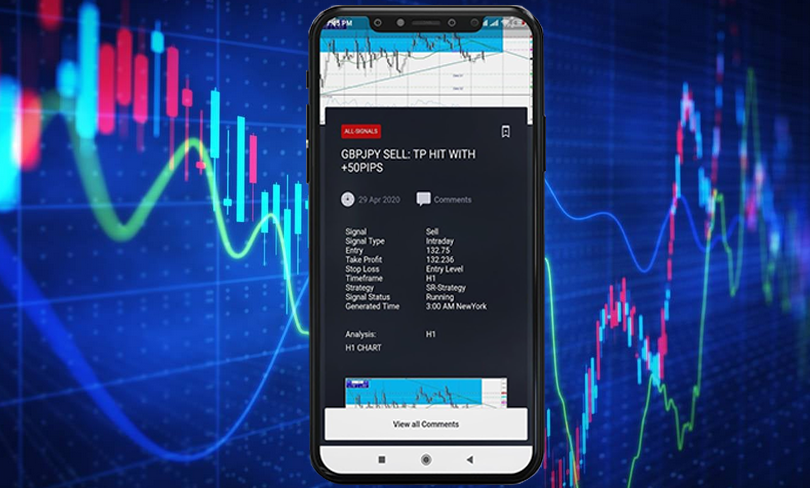
Forex signal services are essentially alerts or recommendations for trades. They are created by professional traders or automated systems (bots) and usually include:
- Currency pair: The specific Forex pair to trade, e.g., EUR/USD
- Entry price: The price level to buy or sell
- Take profit: Target price where you can close for a profit
- Stop loss: Price level to limit losses if the trade goes against you
Some signals come via SMS, email, Telegram, or through trading platforms, making it easy for traders to act quickly.
How Forex Signal Services Work
Signal providers typically use one of two approaches:
- Manual Signals
- Created by experienced traders analyzing the market
- Based on technical indicators, chart patterns, or economic news
- Pros: Human insight and experience
- Cons: Can be biased or subjective
- Automated Signals
- Generated by algorithms or AI-driven bots
- Analyze historical data, trends, and patterns to predict trades
- Pros: Works 24/7 without emotion
- Cons: Can fail in volatile or unexpected market conditions
The Pros of Using Forex Signals
Forex signals can be attractive, especially for beginners or part-time traders. Here’s why:
- Time-Saving: No need to spend hours analyzing charts
- Learning Opportunity: Signals can teach you trading strategies if you watch and learn
- Access to Expertise: Even beginners can follow professional traders’ guidance
- Quick Execution: Signals often come with clear instructions for entry, stop loss, and take profit
The Cons of Using Forex Signals
While signals sound great, they’re not magic. Here are some common pitfalls:
- No Guaranteed Profits: Forex is inherently risky; even expert signals can fail
- Dependence: Relying solely on signals may prevent you from learning how to trade independently
- Quality Varies: Some services overpromise and underdeliver
- Delayed Execution: Acting too late can turn a profitable signal into a loss
Tips to Make Forex Signals Work for You
If you want to use signal services wisely, follow these tips:
- Choose Reputable Providers: Check reviews, track records, and transparency.
- Start Small: Test signals with a demo account or small trades first.
- Combine with Learning: Don’t blindly follow; analyze why the signal works.
- Stick to Risk Management: Always use stop-loss and take-profit levels.
- Track Your Performance: Keep a journal of which signals work best and under what conditions.
Do Forex Signal Services Really Work?
The short answer: Yes, but with caution.
Signals can give you a helpful nudge and save time, but success depends on your understanding, timing, and risk management. Signals are tools—not guaranteed shortcuts to wealth. Traders who combine signals with learning, practice, and discipline usually see the best results.
Conclusion
Forex signal services can be a valuable ally for both beginners and busy traders, but they are not a magic solution. Think of them as a GPS: they can guide you to potential opportunities, but you still need to steer the car.
By choosing reputable services, testing them first, and learning from the signals, you can use them to enhance your trading strategy rather than replace it.
Remember: in Forex trading, knowledge and discipline are your most reliable signals.