Oil Surges Past $94 as Saudi Attacks Rattle Markets: What It Means for Forex Traders
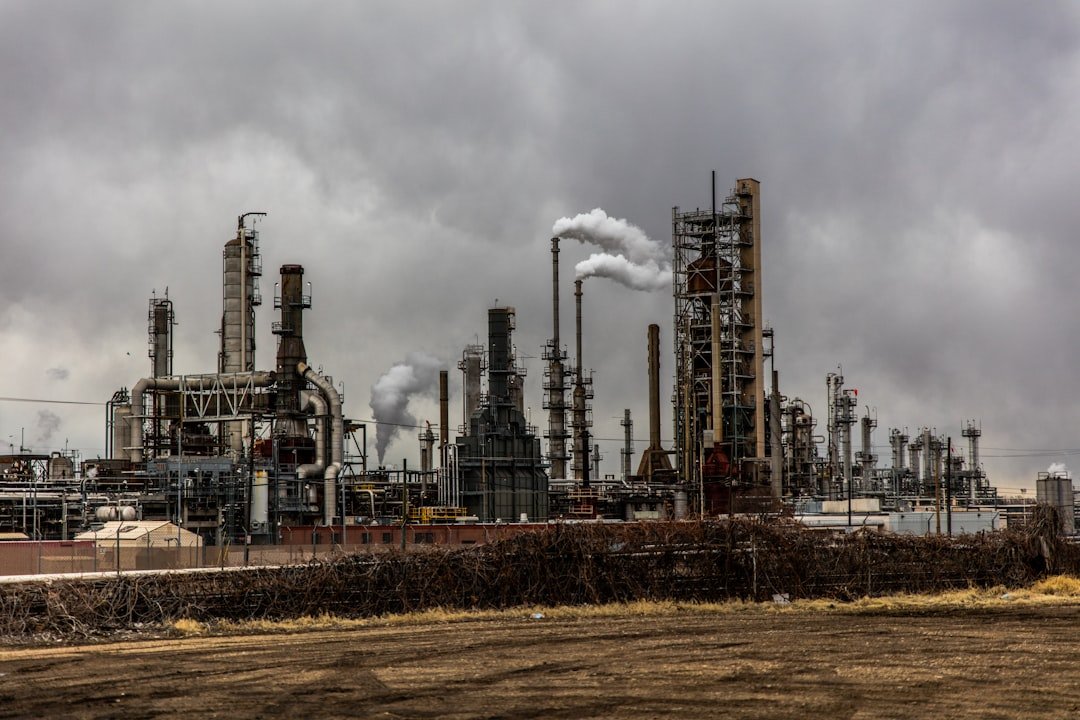
Crude oil just had its loudest week in months, and forex traders are paying attention. On September 8, 2026, Saudi Arabia confirmed that drone and ballistic-missile attacks tied to Iran-backed Houthi forces struck energy facilities and a military base in the kingdom’s south, injuring dozens and forcing a temporary halt at parts of the Aramco network. Crude jumped to around $94 a barrel, its highest level since early June, and the shockwaves are already moving through currency markets.
Why a Saudi Attack Moves Currency Pairs
It’s easy to think of oil headlines as a commodities story, but the ripple effects land squarely in forex. Higher energy costs feed straight into inflation expectations, and inflation expectations are the single biggest input into what central banks do next. With the Federal Reserve’s September 15–16 meeting just days away and rate-hike odds already hovering above 50%, an oil-driven inflation scare could be the final push that tips policymakers toward tightening.
There’s also a more direct channel. Commodity-linked currencies like the Canadian dollar and Norwegian krone tend to firm when oil rallies, since both economies are major exporters. Meanwhile, oil-importing economies — much of Asia and Europe — see their terms of trade worsen, which can weigh on those currencies at the margin.
The Bigger Picture: A Fragile Strait of Hormuz
This attack didn’t happen in isolation. Iran had already announced plans for a new shipping corridor with Oman through the Strait of Hormuz, requiring tankers to coordinate passage through a restricted maritime zone — a move that traders read as a fresh layer of friction on one of the world’s most important oil chokepoints. Add in an ongoing “Gulf tanker war” narrative that’s been simmering for months, and it’s clear why energy risk premiums are climbing rather than fading.
For currency markets, this is the kind of geopolitical backdrop that keeps volatility elevated across the board — not just in oil-sensitive pairs, but in risk sentiment generally. When headlines like this hit, safe-haven flows into the US dollar, Japanese yen, and Swiss franc often pick up, even as the same headlines simultaneously build the inflation case for higher rates.
What Traders Should Watch Next
- Friday’s US CPI print — the last major inflation reading before the Fed’s September 16 decision, and now arguably more important given the oil spike.
- Further Hormuz developments — any escalation in the Iran-Oman shipping arrangement could push oil higher still.
- USD/CAD price action — a textbook pair to watch when oil and Fed policy are both in play at once.
- Gold and silver — both are already trading at historical extremes as investors hedge against both inflation and geopolitical risk simultaneously.
The Takeaway
Markets don’t like surprises, and this week delivered one. Whether this proves to be a short-lived spike or the start of a longer energy-driven inflation story will likely come down to how the situation around Saudi Arabia and the Strait of Hormuz develops over the coming days — and how the Fed chooses to respond on September 16. Either way, this is a moment where staying informed matters more than usual. We’ll keep tracking it here as it unfolds.
This article is for informational purposes only and does not constitute financial or investment advice. Forex trading involves substantial risk of loss.