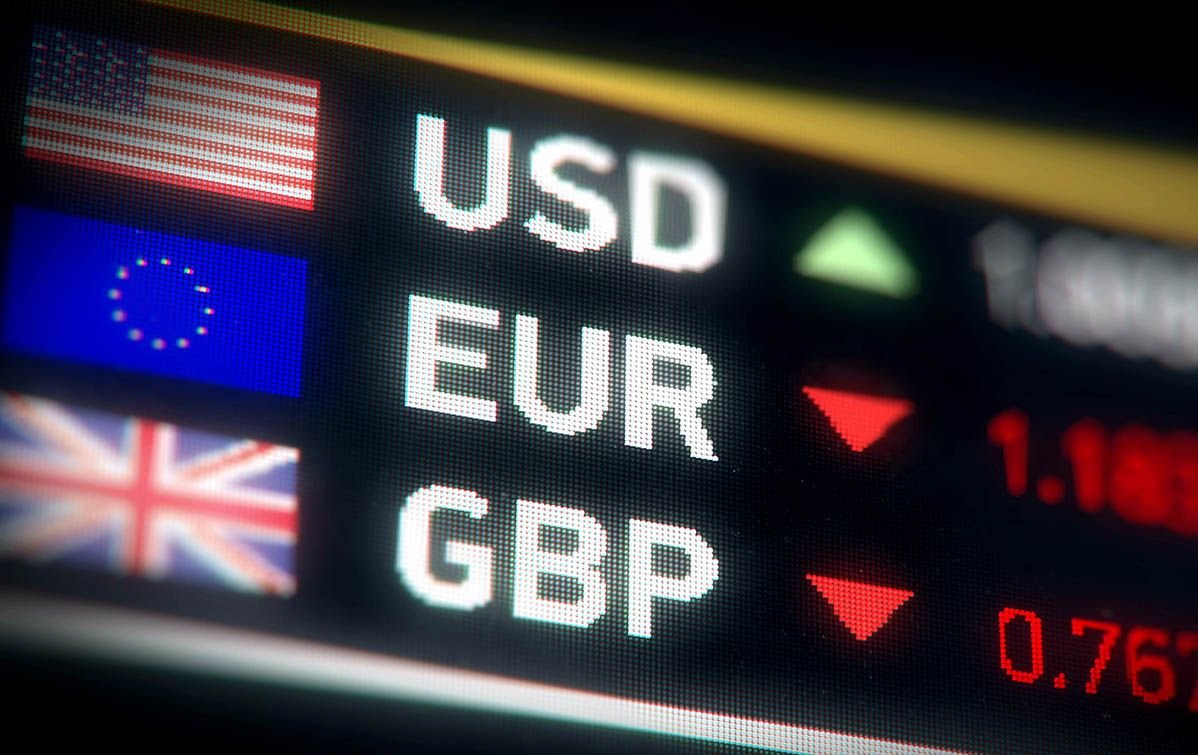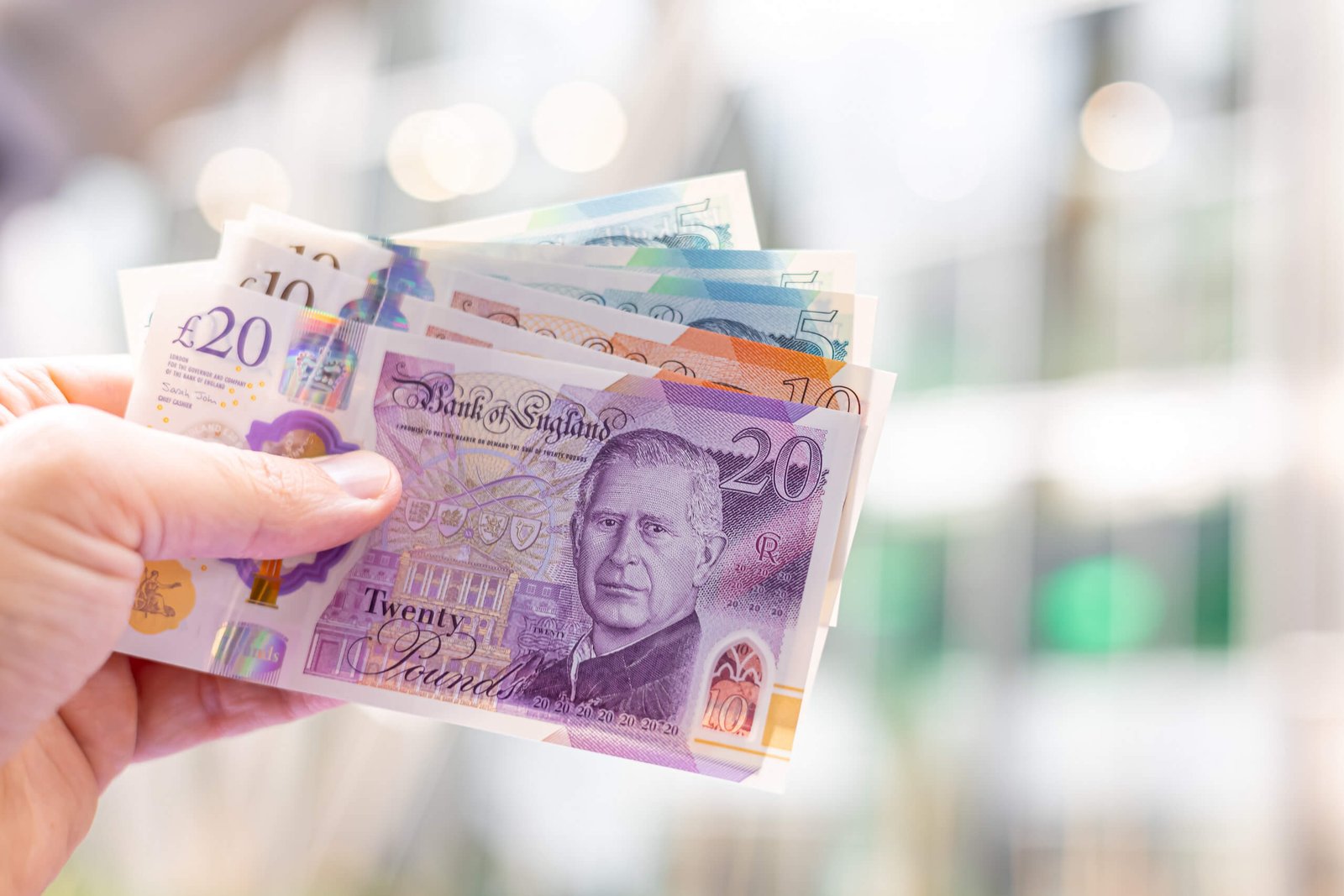
The British Pound (GBP) is facing heavy selling pressure after new UK inflation data showed price pressures easing more than expected. This has caused the pound to underperform against its major peers, particularly amid rising optimism around the US dollar.
UK Inflation Data Disappoints Market Expectations
The Office for National Statistics (ONS) revealed that UK core Consumer Price Index (CPI) inflation, which excludes volatile items like food, energy, alcohol, and tobacco, unexpectedly slowed to 3.5% year-over-year in September. Economists had forecasted a rise to 3.7%, up from 3.6% previously.
Meanwhile, headline inflation held steady at 3.8% annually, missing estimates of 4.0%. On a monthly basis, prices remained flat after a 0.3% increase in August. Inflation in the services sector, closely watched by the Bank of England (BoE), remained stable at 4.7%.
Market Reaction: Pound Weakens
Following the inflation report, the pound weakened across the board, especially against the Australian dollar, which saw the GBP post its largest losses. The GBP/USD pair fell to a fresh weekly low near 1.3310 during Wednesday’s European session, marking a fourth consecutive day of losses.
The cooling inflation data has raised expectations that the BoE may ease its interest rate hike cycle and possibly implement rate cuts later this year. These dovish sentiments were strengthened last week after UK employment figures showed a rise in unemployment and slower wage growth.
US Dollar Strength Supports Pound’s Decline
Meanwhile, the US dollar remains strong amid optimism over potential US-China trade progress. US President Donald Trump has expressed confidence that a fair trade deal will be reached, although he remains cautious about an upcoming meeting with Chinese President Xi Jinping in South Korea.
Additionally, hopes for a reopening of the US federal government have further supported the greenback. Senate Minority Leader Chuck Schumer and House Democratic Leader Hakeem Jeffries reportedly reached out to Trump to negotiate a resolution.
Upcoming Data to Watch
Investors are now turning their attention to the delayed US CPI inflation report for September, expected on Friday. Economists forecast headline inflation to have risen to 3.1% annually, up from 2.9%, with core inflation steady at 3.1%. This data will heavily influence expectations for future Federal Reserve policy.
Technical Outlook: More Downside for GBP/USD
The GBP/USD pair remains under pressure after failing to break above the 20-day Exponential Moving Average (EMA) near 1.3407. The 14-day Relative Strength Index (RSI) has slipped close to 40, signaling growing bearish momentum. A break below this level could accelerate the decline.
Support lies near the August 1 low of 1.3140, while resistance sits at the psychological 1.3500 level.
Inflation Explained: FAQs
What is Inflation?
Inflation measures the rate at which the prices of goods and services increase over time. Central banks focus on core inflation, which excludes volatile food and energy prices, aiming to keep it near 2%.
What is the Consumer Price Index (CPI)?
CPI tracks price changes in a typical basket of goods and services. Core CPI excludes volatile items and is a key indicator for central banks when setting interest rates.
How Does Inflation Impact Currency?
High inflation usually leads central banks to raise interest rates, which tends to strengthen a country’s currency by attracting foreign investment. Conversely, low inflation often leads to lower interest rates and a weaker currency.
How Does Inflation Affect Gold Prices?
Gold traditionally acts as a hedge against inflation. However, when inflation rises and central banks hike interest rates, the opportunity cost of holding non-interest-bearing gold increases, often weighing on its price. Lower inflation and lower rates tend to support gold prices.
Summary
The latest UK inflation data signals a cooling in price pressures, fueling speculation that the Bank of England may slow or reverse its rate hikes, weighing on the pound. At the same time, a stronger US dollar supported by trade optimism and political developments is adding to GBP weakness. Traders will be closely watching upcoming US inflation data and BoE commentary for further clues on currency direction.