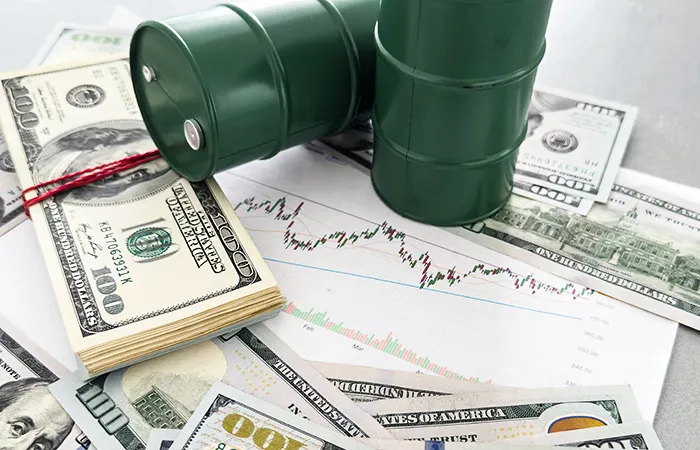
When geopolitics and energy collide, the world listens. That’s exactly what happened in recent weeks as escalating tensions in the Middle East sent ripples through the global oil market. Let’s break down what’s going on, why oil prices are reacting, and how this could affect you.
🔍 What’s the Situation?
The spark: a flare‑up between Israel and Iran. Israeli strikes reportedly targeted Iranian nuclear and missile sites.
In response, markets began pricing in a heightened risk of disruption to oil exports from the region.
At the same time, key oil shipping routes — including the Strait of Hormuz, through which about 20% of the world’s oil passes — loomed large on analysts’ radars.
📈 How Much Did Oil Prices Move?
- On June 12, crude prices jumped about 4% as news broke of possible U.S. embassy evacuations in Iraq and other regional flash‑points.
- Following the Israeli strikes on Iran, benchmarks like Brent crude rose by as much as 7% in a single session.
- More broadly, since late May, some markets estimate rises of 15% or more in oil‑price levels due to the geopolitical risk premium.
🧠 Why Are Prices Rising? — The Forces At Play
Here are the main drivers:
- Supply risk premium
When tensions flare in major oil‑producing regions, traders boost prices to account for the possibility of exports being disrupted. In simple terms: “What if oil can’t get out?” adds cost.
Example: Analysts note that even if actual production isn’t yet cut, the risk of such cuts is enough to push up prices. - Strategic chokepoints
The Strait of Hormuz is a key bottleneck. A closure or even a threat of one amplifies supply concerns dramatically. - Sentiment & speculation
Markets are forward‑looking. When headlines suggest war, disruption, or escalation, many investors “buy insurance” via higher oil prices before anything actually breaks. - Fundamental backdrop of demand/supply
While geopolitical risk is driving much of the move, underlying supply (how much oil is available) and demand (how much the world wants) still matter. Some reports suggest supply is relatively comfortable, which may temper upside.
🌍 The Wider Impact — What Does This Mean for You?
- Fuel costs: Higher crude often translates into higher petrol, diesel and heating oil prices. Regions reliant on imports feel this fastest. For example, India’s crude‑import basket rose markedly as tensions escalated.
- Inflation concerns: A sustained rise in oil prices can feed into inflation — higher transport costs, higher manufacturing costs, and eventually higher prices for consumers. Economists warn this could tighten monetary policy or slow growth.
- Market volatility: Stocks, currencies and commodities often move together. Energy‑sector stocks may benefit, but broader markets may worry if the situation threatens global growth
- Geopolitical risk premium becomes a big factor: What gets priced in isn’t just what is, but what might be. Markets are sensitive to escalation, so even rumors or threats can move prices.
🧐 What’s Next? Key Scenarios to Watch
- De‑escalation: If diplomacy advances or both sides pull back, the risk premium could fade and oil prices may retrace some gains. In fact, after a brief ceasefire between Israel and Iran, oil prices did ease.
- More escalation: If infrastructure is targeted (refineries, shipping lanes, terminals) or if the conflict widens beyond Israel/Iran, the risk to supply grows bigger — and so does the upside for oil. Analysts warn of possible spikes toward $90–100+ per barrel.
- Fundamentals re‑entering: If conflict remains contained, the market may shift focus back to supply/demand dynamics — global demand growth, spare production capacity, OPEC decisions, etc.
✅ Final Thoughts
Right now, oil prices are riding not just on barrels and rigs, but on headlines and fears. The message is: geopolitical risk matters. But it’s also important to remember that risk ≠ reality. Even with dramatic tensions, supply may hold and prices may not explode — yet.
For consumers, if you’re paying for fuel, heating or transport — keep an eye on crude. For investors, the energy space may offer opportunities, but volatility is high and timing is tricky.