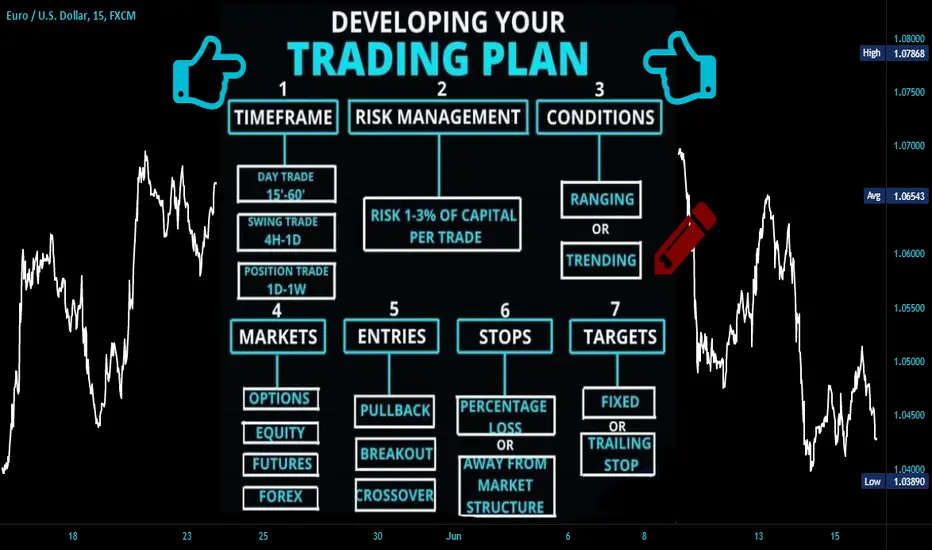
Forex trading can be exciting, profitable, and sometimes overwhelming. While strategies, technical analysis, and indicators are essential tools for success, the real game-changer often lies within your mind. Trading psychology—the ability to manage your emotions and mindset—can make the difference between consistent profits and repeated losses.
Let’s dive into why controlling emotions in Forex is crucial and how you can master it to become a disciplined, confident trader.
1. Why Trading Psychology Matters
Trading isn’t just about numbers; it’s about human behavior under uncertainty. Even the most robust strategies can fail if emotions like fear, greed, or overconfidence take over. Here’s why psychology is so critical:
- Fear can stop you from entering trades or make you exit winners too early.
- Greed can push you to overtrade or hold losing trades too long, hoping for a reversal.
- Overconfidence can make you ignore risk management rules, leading to heavy losses.
In short, your mind can either be your greatest asset or your biggest enemy in Forex.
2. Common Emotional Pitfalls in Forex Trading
a) Fear of Losing
Fear is one of the most common emotions that hold traders back. It can prevent you from taking a valid trade or make you panic when the market moves slightly against you.
Solution: Use stop losses to limit risk and trade with small, manageable positions. Knowing your maximum loss in advance reduces fear.
b) Greed
Chasing unrealistic profits often leads to holding trades too long or over-leveraging your account. Greed makes traders abandon their trading plan.
Solution: Set realistic take profit levels and follow a disciplined risk-to-reward strategy. Treat profits as a reward, not a guarantee.
c) Revenge Trading
After a loss, some traders try to “win it back” immediately, often taking bigger risks. This usually leads to more losses.
Solution: Accept losses as part of the game. Step away from the market if emotions are high and return with a clear mind.
d) Overtrading
Trading too frequently, often to satisfy boredom or impatience, can erode profits quickly.
Solution: Focus on quality trades over quantity. Wait for setups that fit your strategy.
3. Key Principles to Control Emotions in Forex
a) Stick to a Trading Plan
A well-defined trading plan is your roadmap. It should include:
- Entry and exit rules
- Stop loss and take profit levels
- Risk per trade
- Trading hours and instruments
Following your plan reduces impulsive decisions driven by emotions.
b) Manage Risk Effectively
Risk management isn’t just about preserving capital—it’s about mental stability. Limit your risk to 1–2% of your trading account per trade to avoid emotional swings.
c) Keep a Trading Journal
Recording your trades and the emotions you felt during them helps you identify patterns in behavior. Over time, you can correct mistakes and reinforce positive habits.
d) Focus on the Process, Not the Outcome
Instead of obsessing over profits or losses, concentrate on following your strategy. Trading is a long-term game, and consistency beats short-term wins.
e) Practice Patience and Discipline
Markets don’t always move in your favor. Emotional control requires patience to wait for high-probability setups and discipline to stick to your rules.
4. Psychological Tools to Stay Calm and Focused
- Meditation and Mindfulness: Helps reduce stress and maintain emotional clarity.
- Deep Breathing: Calms your nervous system during volatile market movements.
- Breaks: Step away from the screen after a losing trade to regain composure.
- Visualization: Picture successful trades and sticking to your plan—it strengthens positive behavior.
5. The Reward of Mastering Emotions
When you control your emotions, you unlock several advantages:
- Reduced impulsive decisions
- Better risk management
- Consistent trading performance
- Greater confidence and resilience in the market
Ultimately, mastering trading psychology allows you to trade like a professional, making strategic decisions rather than reactive ones.
6. Conclusion
Forex trading isn’t just a test of strategies—it’s a test of your mind. Emotions like fear, greed, and overconfidence can sabotage even the best plans. The key to success is awareness, discipline, and control.
Remember this simple mantra:
“Trade with a plan, manage your risk, and control your emotions.”
Master your mind, and the market will follow.